
“Stories are light. Light is precious in a world so dark.”-Kate DiCamillo, The Tale of Despereaux
I really don’t envy any Hollywood screenwriter faced with the task of adapting one of Kate DiCamillo’s books. That’s not to say her books are bad. More often than not, they’re wonderful. But they’re not wonderful in a way in that lends itself to a mainstream commercial children’s movie. Those tend to be, shall we say, stereotypically masculine with an emphasis on action and broad, raucous humor. DiCamillo’s work tends to be quiet, philosophical and touchy feely with an emphasis on character relationships and emotional healing. They tend to be feminine but not feminine in a Hollywood kind of way. They can be really funny at times but not funny after the fashion of a typical kids’ movie. Her books are marketable in that they win awards, but award-winning children’s books are more the kind that parents and teachers recommend to kids than the kind that kids naturally gravitate towards themselves. I hasten to add that there are plenty of kids who enjoy Kate DiCamillo’s books. It’s just that they tend to be kids who already love books and reading in general. Unlike Harry Potter or Captain Underpants, they don’t really appeal to kids who gravitate towards movies. If that sounds like I’m criticizing Kate DiCamillo, I’m not. After all, why shouldn’t books be aimed at bookworms? Sometimes it even rubs me the wrong way when children’s books seem like they’re trying to ingratiate themselves with kids who dislike children’s books. In the words of Jane Austen, “I will not adopt that ungenerous and impolitic custom so common with novel-writers, of degrading by their contemptuous censure the very performances, to the number of which they are themselves adding.”
Apparently, being the kind of thing that parents and teachers promote to their children and students is still enough to get several of DiCamillo’s books made into movies. I’m not going to look at all of those though, just two that particularly interest me[1]Well, of the ones that have been made so far anyway. An adaptation of my favorite DiCamillo work, The Miraculous Journey of Edward Tulane is currently in development according to IMDB. I’m … Continue reading, the computer animated The Tale of Despereaux and the (mainly) live action Flora & Ulysses.
The Tale of Despereaux (2008)
Unlike most mice, Despereaux Tilling (voiced by Matthew Broderick) is born with his eyes open. He’s also smaller than the other mice in the castle of Dor except for his enormous ears. But what really sets him apart is his soul. Instead of eating the books in the castle library, he falls in love with a story about knights, chivalry and honor. Despereaux adopts the code of conduct he gets from the book and soon finds his very own princess to honor, the human Princess Pea (Emma Watson.) For the un-mouse-like crime of speaking to a human, the other mice banish him to the labyrinthine dungeon with the castle rats. There he discovers a terrible plot against his beloved Pea.
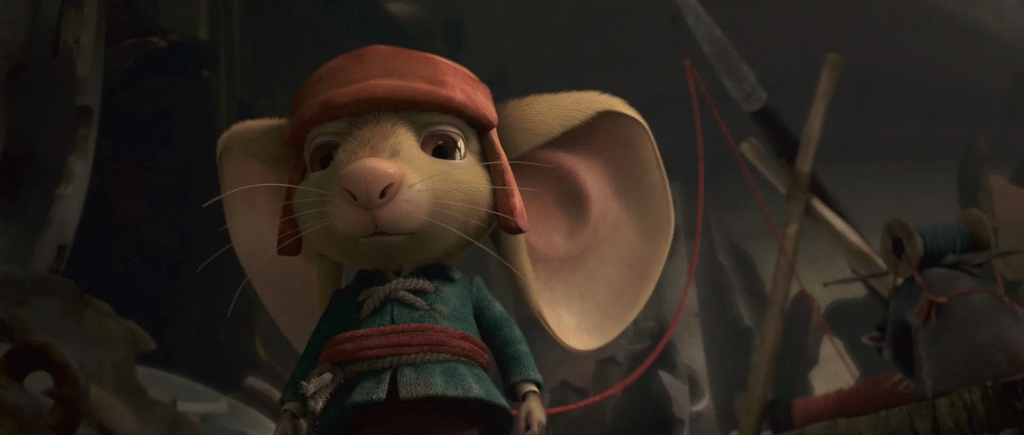
This setup is the same as in Kate DiCamillo’s book, the full title of which is The Tale of Despereaux Being the Story of a Mouse, a Princess, Some Soup and a Spool of Thread, but Despereaux’s character is pretty different. In the book, he started out as timid and fearful, painfully aware of his underdog status. In the movie, he’s blissfully oblivious to it and cheerfully fearless[2]He also isn’t the only one of his litter born alive, making it odd that his name is the French word for despair, especially since neither of his parents (William H. Macy and Frances Conroy) is … Continue reading, which is part of why the mouse community, to whom cowardice is a virtue necessary for survival, finds him such a problem. “There’s so many wonderful things in life to be afraid of if you just find out how scary they are,” says his school principal (Richard Jenkins.) And you know what? I actually think I enjoy the movie’s Despereaux better than the book’s even though he doesn’t have much of a character arc.[3]There are a couple of well-done moments where he finally experiences fear but they’re over pretty quickly. Timid underdogs are fairly common as the heroes of children’s stories. Fearless fools like the movie’s Despereaux stand out more. As much as I love the book, its first section, the one that focuses on Despereaux himself, is probably the most generic part of it.
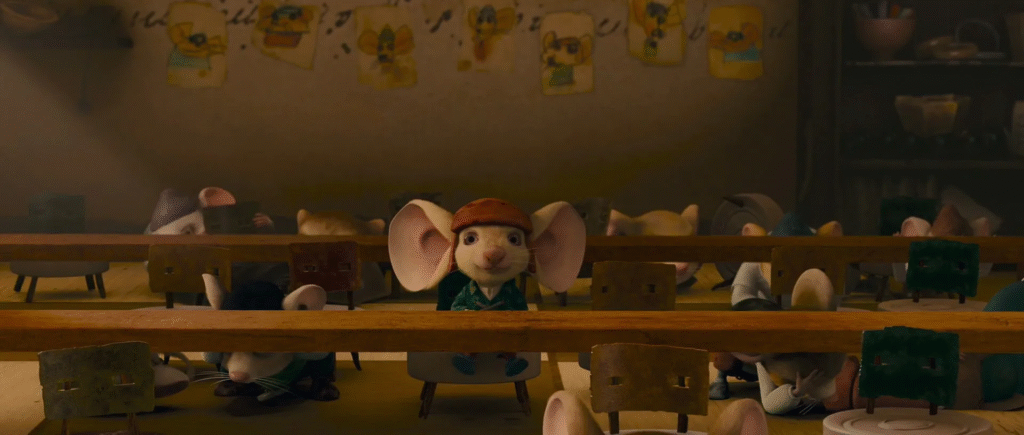
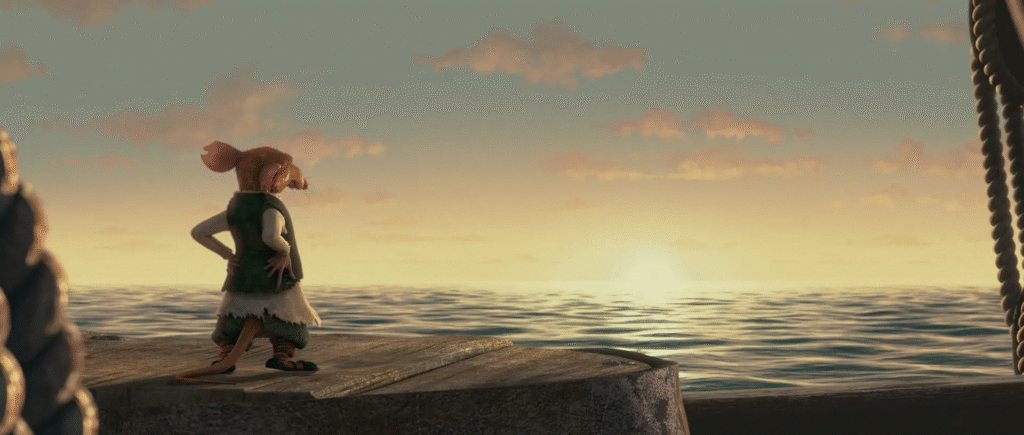
Despereaux isn’t the only character to be radically reinvented in this adaptation. In fact, pretty much everyone is changed in some way or another. Roscuro the rat (Dustin Hoffman), who, being a rat, belongs in the shadows yet is drawn to the light[4]In the book, his full name is Chiaroscuro., is no longer a native of the dungeon and starts out as a much more sympathetic character than he does in the book. (He definitely became sympathetic over the course of the book, but he didn’t necessarily begin that way.)
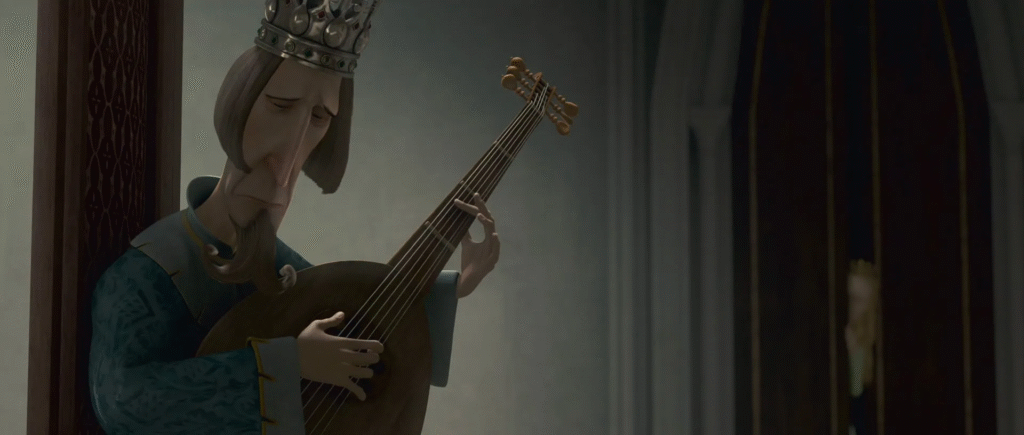
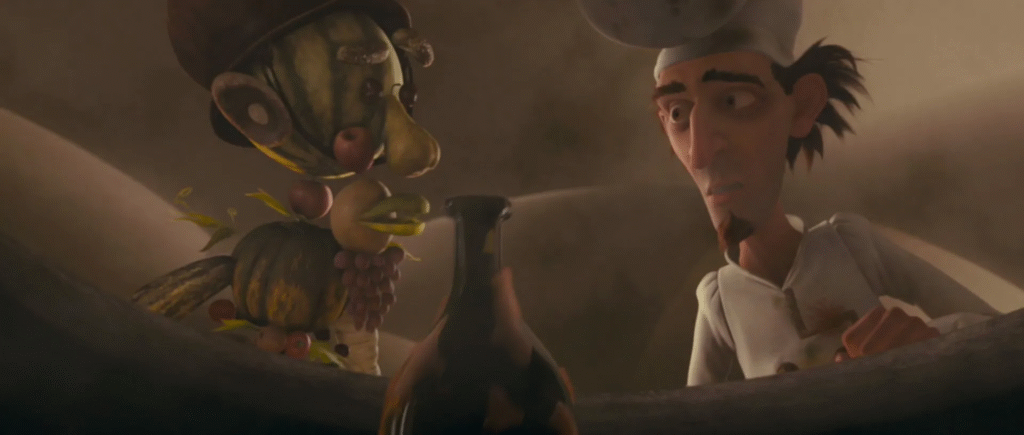
In the book, the king (an uncredited Kevin Kline)’s redeeming point was how devoted he was to his daughter. In the movie, he neglects her in his all-consuming grief over the death of his wife (Patricia Cullen) and his character arc is about learning to pay more attention to her. Gregory the jailer (Robbie Coltrain) is combined with another character. The cook is made into a man (also voiced by Kevin Kline) and given a magical soup making genie (Stanley Tucci) for a sidekick. (I have no idea what the filmmakers were smoking when they made that addition to the story.)
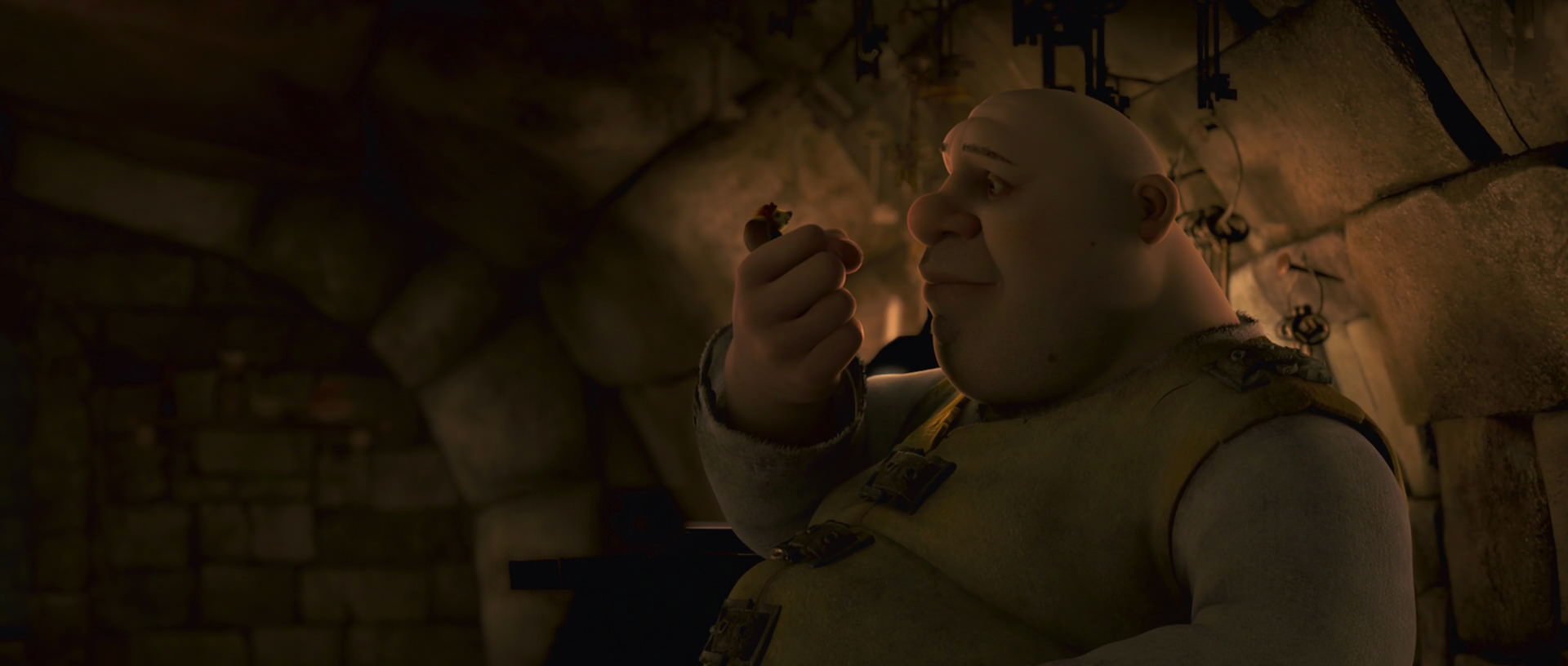
The character who feels the most like she leaped off the page is the unfortunate serving girl, Miggery Sow (Tracey Ullman), and even she’s arguably a bit changed from the book, her backstory being somewhat softened.
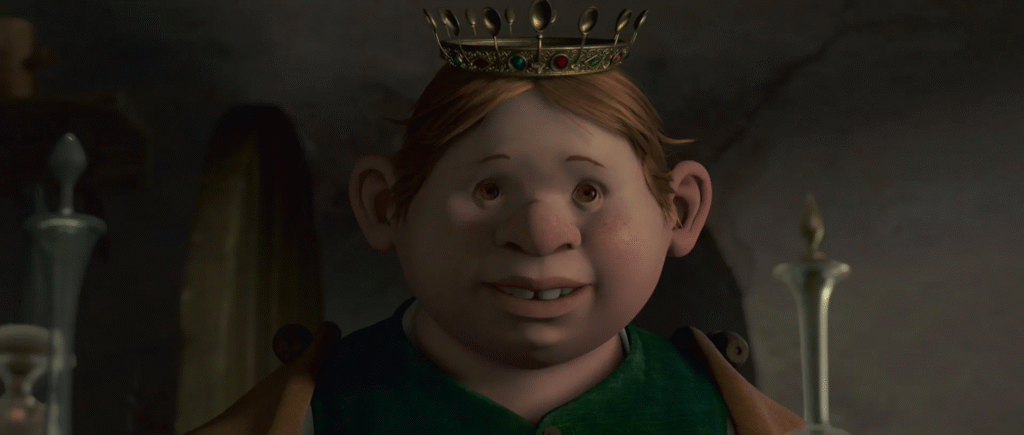
Strangely, I don’t mind this since I think the book’s versions of the characters and the movie’s versions are both great in their different ways.[5]Well, OK, the soup-making genie isn’t great but he’s not that annoying either. There are some great things in the book that aren’t in the movie but there are also some great things in the movie that aren’t in the book. For example, I like the relationship that it develops between Despereaux and Roscuro who barely interact in the source material, and I like how it explores Princess Pea’s dark side at which the book only hints. The story’s climax is reimagined to be much more action packed but, in all fairness, the book’s climax, while thematically appropriate, was arguably anticlimactic. The movie’s climax manages to also be thematically appropriate without being anticlimactic.
The movie recreates or attempts to recreate the feel of the book with voiceover narration from Sigourney Weaver. As one critic in an overall positive review notes, “Weaver’s sensible cadences aren’t necessarily the best match for DiCamillo’s earnest, confiding literary voice” yet this weirdly endears the narration to me. Intentionally or not, it feels like a mother or an aunt reading a book aloud to a child out of love, not necessarily an actress who was chosen for the sound of her voice. Speaking of books, as a lover of literature, this is one of my favorite quotes from the movie’s narrator.
Did a book ever speak to you? Almost like it was written for you? Despereaux loved it all, every bit of it…He even loved things he wouldn’t suspect.
The things about my favorite books that I wouldn’t suspect often end up being the things I love most about them.
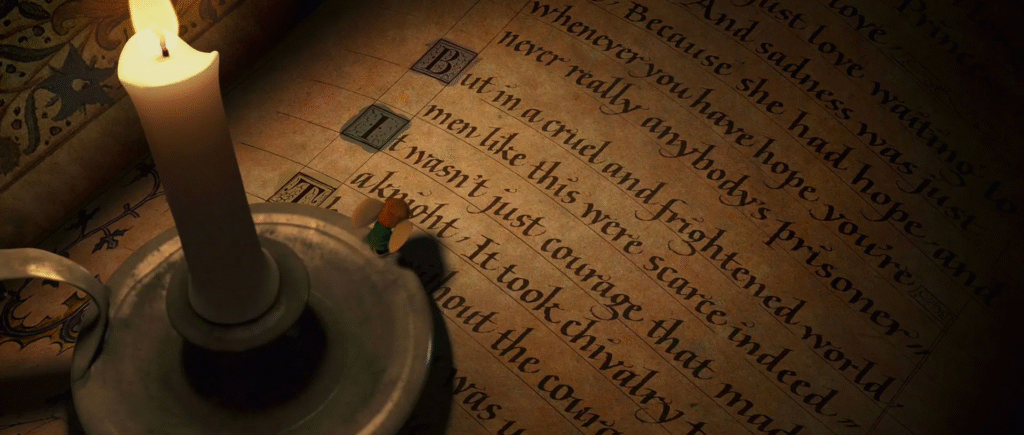
The movie’s beautiful backgrounds also have a storybook quality. These days computer animated movies either have a completely realistic look or an ultra-cartoony one. I wish more looked like The Tale of Despereaux.
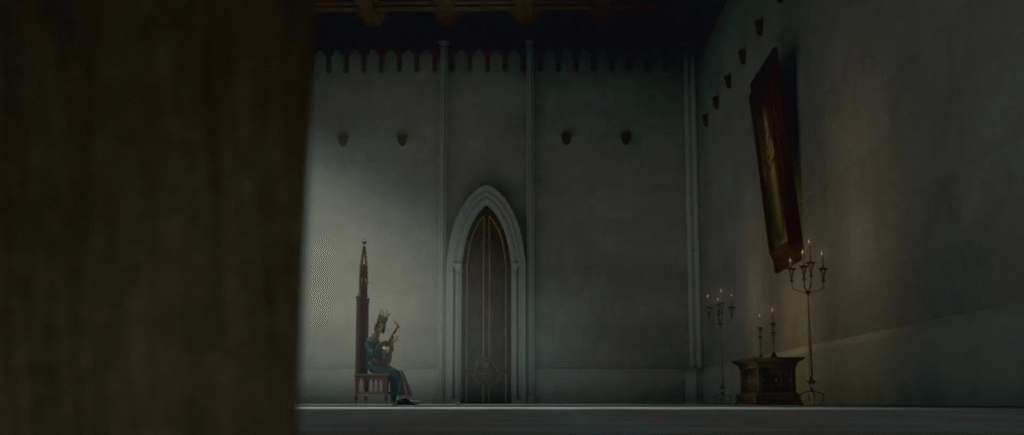
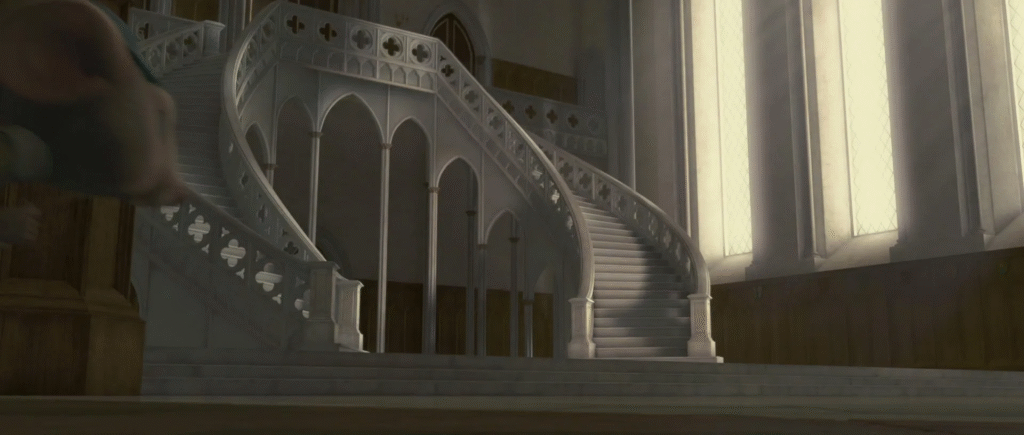
I love the character designs for the animal characters too though I don’t care for the look of the humans. (Just look at Princess Pea’s prominent nose!)
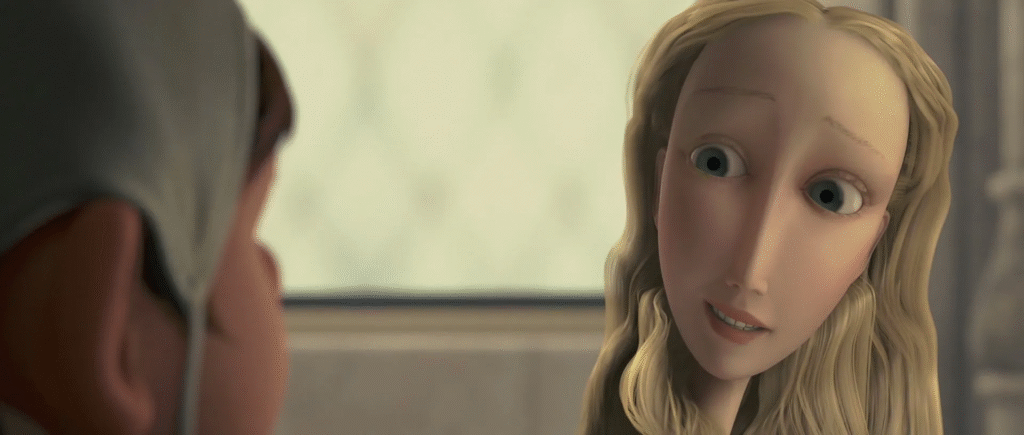
Some of the character animation is also regrettably stiff. Still, I love the movie’s earnestness and sincerity and how it shows children in a way that’s accessible to them, sympathetic characters doing bad things with bad consequences.
Conscience compels me to concede that “accessible” may not be the most accurate word to describe this film. Many kids find it too slow paced, and it’s not universally loved by adults either. I’ll even admit I don’t rewatch this movie as often as I thought I would when I first saw it. But whenever I do rewatch it, I love it, and I’d encourage others to give it a chance. Like the book, it’s a great tribute to such wonderful, powerful, ridiculous things as love, light, hope, forgiveness and soup.
Flora & Ulysses (2021)
At ten years old, Flora Buckman (Matilda Lawler) already self identifies as a cynic. Her comic book artist father (Ben Schwartz) and her romance novelist mother (Alyson Hannigan) were the kind of idealists who’d actually name their daughter Flora Belle. Now her mother is struggling in her career, her father is unsuccessful in his and they’re estranged from each other. Flora is not going to have any of that disappointment in her life. “Cynics don’t hope. They see what’s real,” she says. “Hope can get in the way of action.” But it’s made clear that Flora isn’t really a cynic at heart by how quickly she latches onto the idea that a squirrel in her yard has been given superpowers by being sucked up by a runaway vacuum cleaner.[6]Indeed, she almost gets this idea too quickly. In the original book, right after he’s been revived, the squirrel picks up the vacuum with one paw. I don’t understand why the movie cuts … Continue reading She names him Ulysses after the vacuum (the Ulysses 2000X) and takes him home despite her mother’s protests, hoping to learn why the universe has bestowed superpowers on this squirrel. It turns out to have been so he could inspire Flora and her family and help them see the universe’s possibilities again.
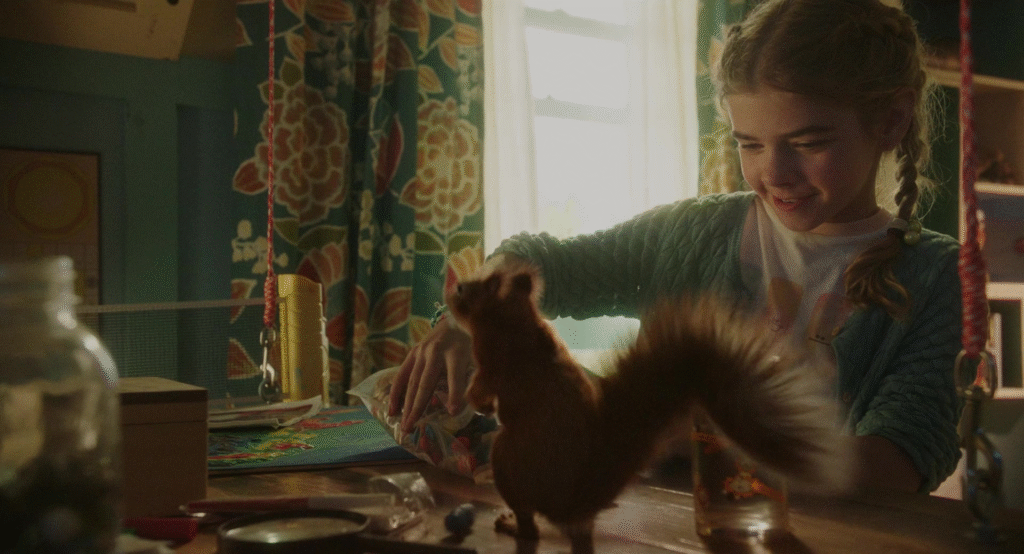
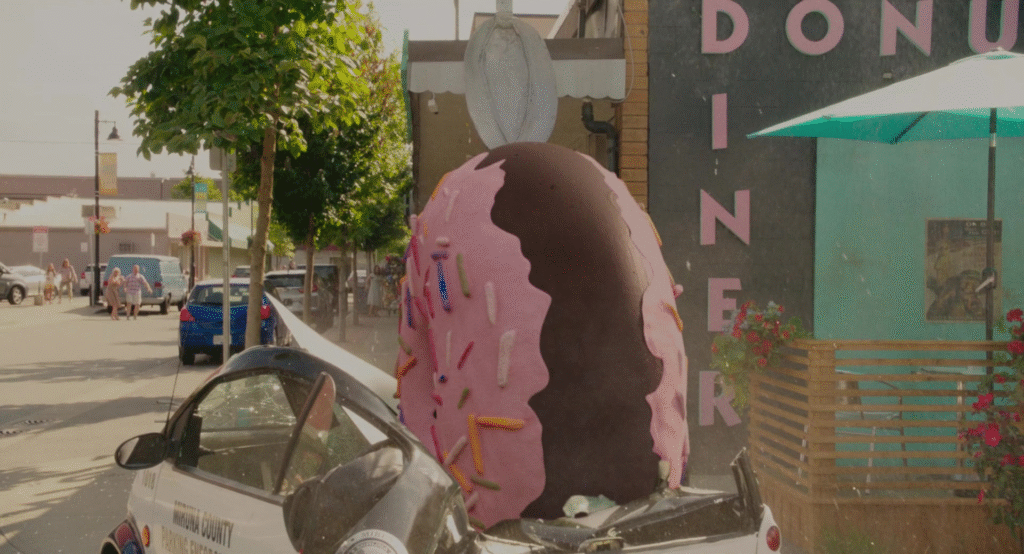
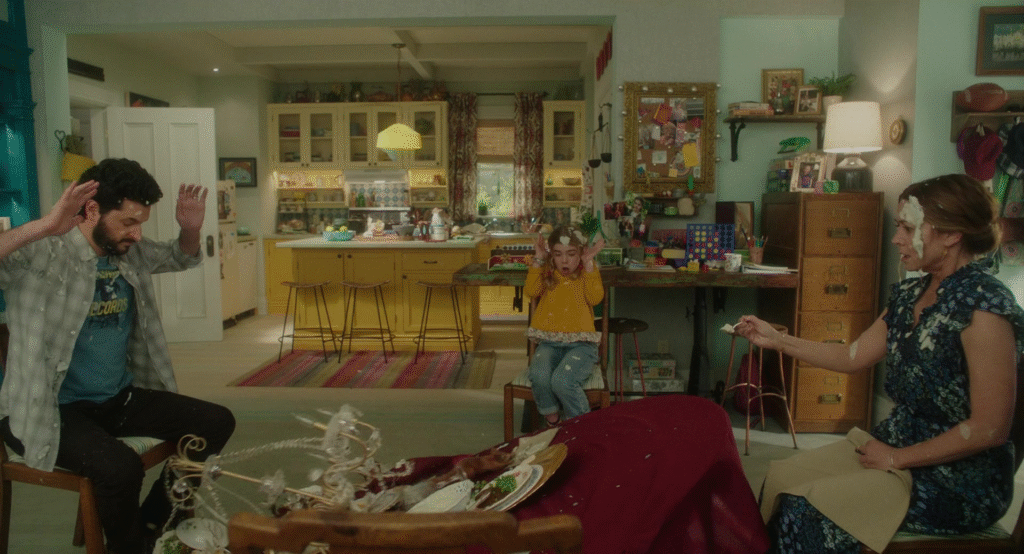
There’s a lot to love about Flora & Ulysses. The casting is great. Young Lawler really holds the movie together as Flora. The screenplay by Brad Copeland is pretty great too…sometimes. Much of it is quite witty and charming and true to the spirit, if not the letter, of Kate DiCamillo. There’s also a lot of it that’s pretty dumb, mainly when it indulges in visual humor as opposed to verbal humor. I’m not saying I never enjoy slapstick comedy. I think it can be hilarious. But sadly, this film’s slapstick seldom got more than a mildly contemptuous snort from me.
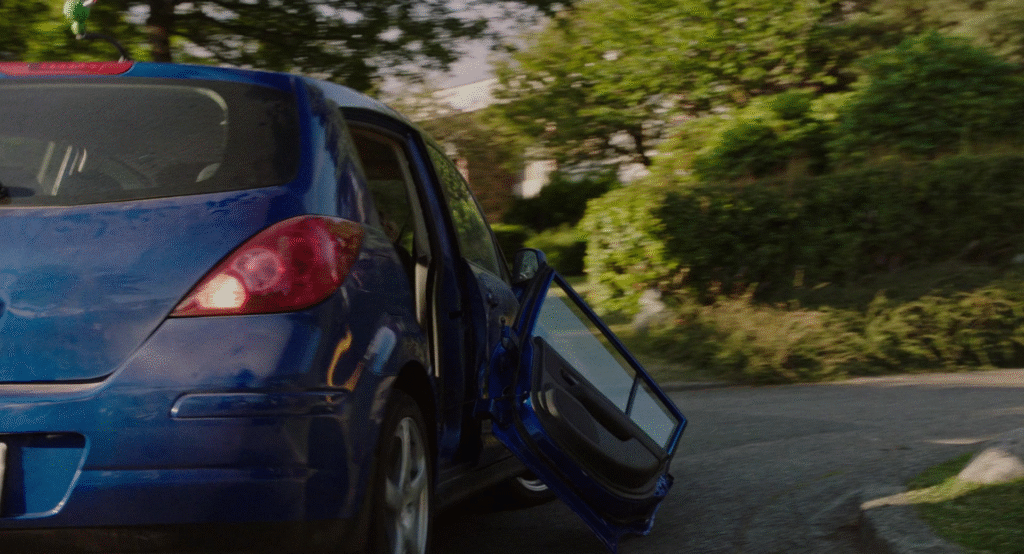
In fact, the only set piece I remember making me laugh harder than that was the car chase where Flora’s dad has to drive the getaway vehicle after his hand has been shot by a tranquilizer dart.
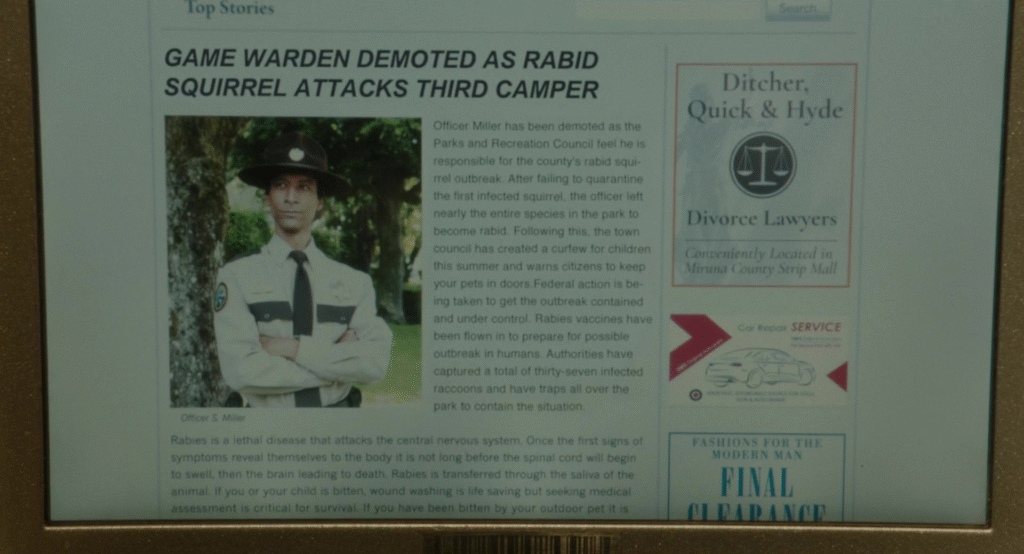
If you’ve read the original book but haven’t seen the movie, that last sentence probably had you going, “What?!” In DiCamillo, the threat of Ulysses being captured by animal control is only brought up once and then neutralized. This adaptation’s biggest addition to the story is a bumbling animal control agent (Danny Pudi) who’s out to get Ulysses and test his brain tissue for rabies.[7]Coincidentally, the movie adaptation of DiCamillo’s Because of Winn Dixie also added a comical antagonist who was involved with law enforcement. This character just isn’t very funny and it’s annoying that the climax becomes all about stopping him.
What’s arguably even more annoying for fans of the book is that some of its endearing characters get shortchanged. Flora’s neighbor, Tootie Tickham (Nancy Robertson), the owner of the fateful vacuum cleaner, was a major presence in the book but only gets two scenes here. The sage Dr. Meescham (Anna Deavere Smith) gets more screentime but most of her memorable lines from the book are cut. I particularly miss her telling Flora that cynics are people who are afraid to believe. On the plus side, William Spiver (Benjamin Evan Ainsworth), Tootie’s great nephew who suffers from hysterical blindness, is as kooky as he is in the source material. Perhaps he isn’t quite as funny or well developed but the adaptation does more justice to him than to most of the other supporting characters.
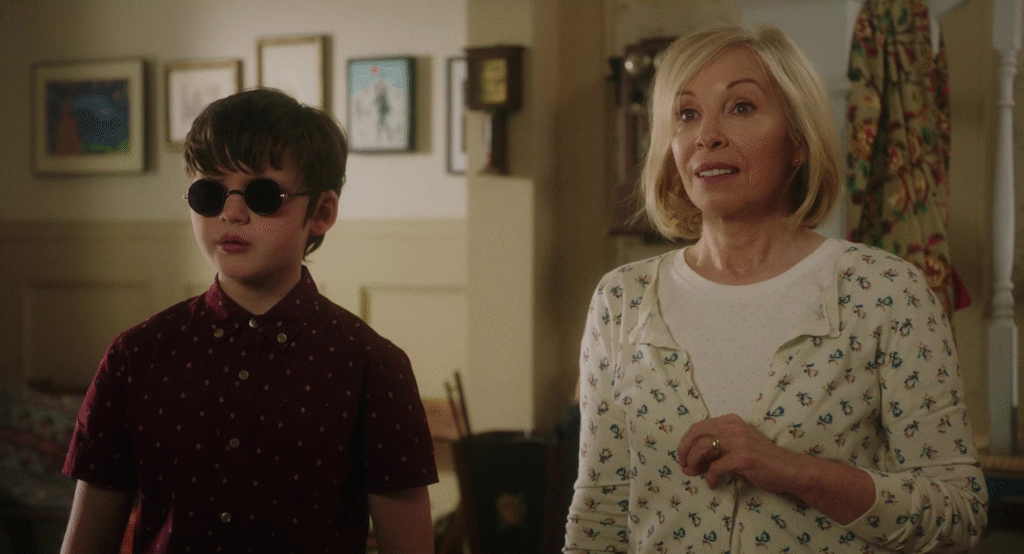
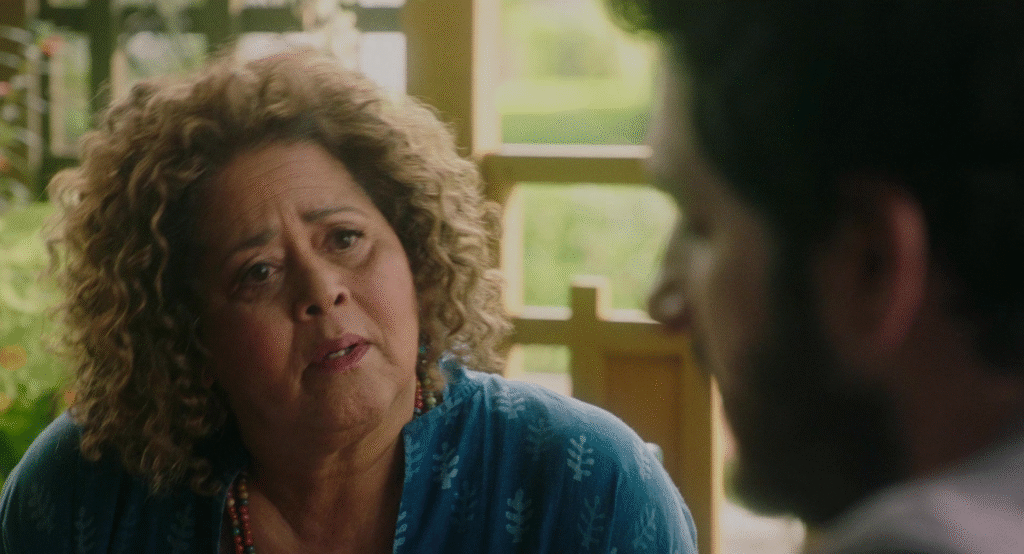
Speaking of Tootie and her family, the movie doesn’t include the giant book of poetry which the vacuum also devoured in the book. This makes the fact that one of Ulysses superpowers is the ability to write poetry in English rather random.
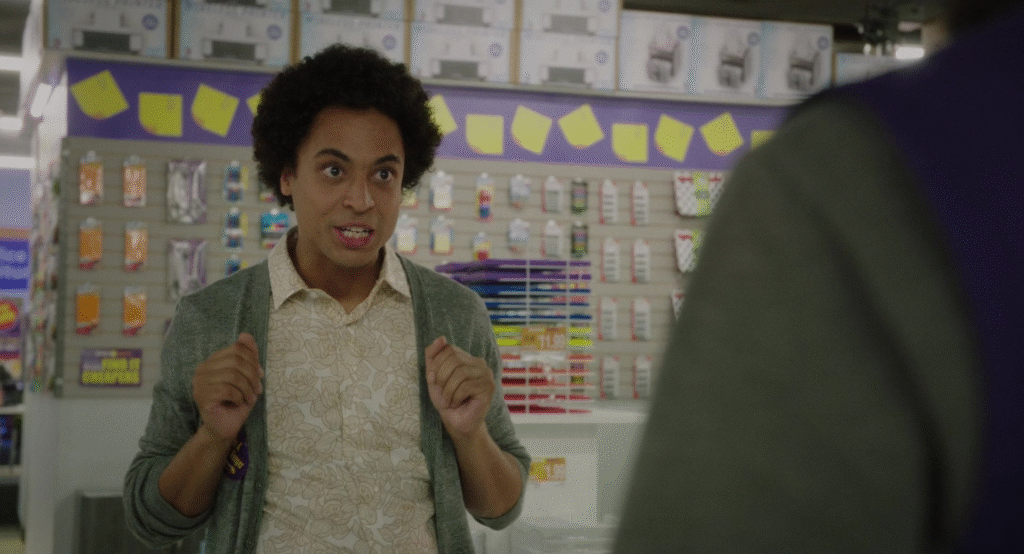
This review has been more negative than not or at least I’ve been more specific about the things I dislike than the things I like, so I should mention that it’s not like the only good things about the movie come from the book. An added workplace subplot about Flora’s father’s obnoxious manager (Jesse Reid) is pretty fun.
I actually think the movie improves upon the book-or had the potential to do so anyway-by showing Flora’s mother in a sympathetic light earlier. In the source material, she just comes across as nasty until the very end when she redeems herself.[8]Well, there is a scene of William Spiver helping her with one of her books that hints at a more likeable side to her, but Flora doesn’t see it that way and I’m not sure how many young … Continue reading If anything, the movie goes too far in the opposite direction and doesn’t really show her being nasty at all. I really feel like her angry outburst from Chapter 45 of the book shouldn’t have been cut as the poem Ulysses ultimately writes for Flora isn’t as meaningful without that context.[9]If you really want it spoiled, the poem is what Flora’s mom should have said to her instead.
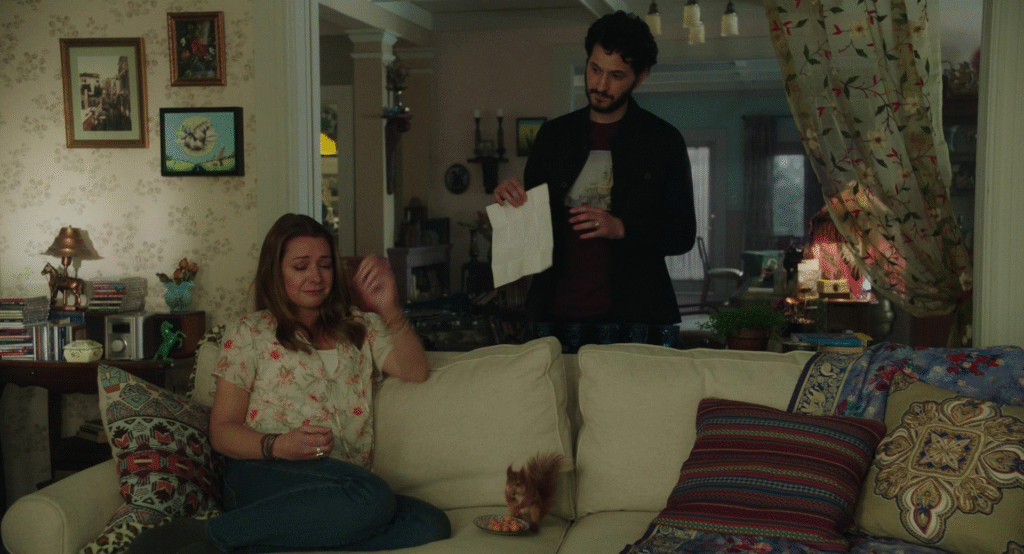
I see that even when I tried to focus on the positive, I slipped back into negative there. That’s unfortunate since I really do like this movie. Well, I like the parts that have a quirky indie vibe. They’re the parts that feel like they’re from Kate DiCamillo even when they’re not. The parts that feel like just another dumb kids’ comedy, not so much. Still, humor is relative. The things in Flora & Ulysses (2021) that I find unfunny other people-and not just kids-may find funny. Few comedies that center around a young girl dealing with the aftermath of her parents’ separation also center around a superpowered squirrel so you can’t say this movie is unoriginal. And I do think the movie’s ultimate message for cynics is a good summary of the book’s.
Do not hope, only observe because when you do, you’ll see how much wonder the world actually has, and you won’t be a cynic anymore.
Concluding Thoughts
Both The Tale of Despereaux and Flora & Ulysses take a great deal of artistic license with DiCamillo’s plots and characters. Arguably, Despereaux is the one that takes the greater license. But to me, it feels different from other, more commercial children’s movies in the same way that the book feels different from other, more commercial children’s books. Actually, at its best, so does Flora & Ulysses. But it’s not at its best as consistently as is The Tale of Despereaux and I can’t defend it as strongly or recommend it as highly. Still, that’s different from not being able to recommend it at all.
References
| ↑1 | Well, of the ones that have been made so far anyway. An adaptation of my favorite DiCamillo work, The Miraculous Journey of Edward Tulane is currently in development according to IMDB. I’m really not sure how they’re going to do that one as a movie. |
|---|---|
| ↑2 | He also isn’t the only one of his litter born alive, making it odd that his name is the French word for despair, especially since neither of his parents (William H. Macy and Frances Conroy) is French in this version. |
| ↑3 | There are a couple of well-done moments where he finally experiences fear but they’re over pretty quickly. |
| ↑4 | In the book, his full name is Chiaroscuro. |
| ↑5 | Well, OK, the soup-making genie isn’t great but he’s not that annoying either. |
| ↑6 | Indeed, she almost gets this idea too quickly. In the original book, right after he’s been revived, the squirrel picks up the vacuum with one paw. I don’t understand why the movie cuts that. |
| ↑7 | Coincidentally, the movie adaptation of DiCamillo’s Because of Winn Dixie also added a comical antagonist who was involved with law enforcement. |
| ↑8 | Well, there is a scene of William Spiver helping her with one of her books that hints at a more likeable side to her, but Flora doesn’t see it that way and I’m not sure how many young readers do. |
| ↑9 | If you really want it spoiled, the poem is what Flora’s mom should have said to her instead. |